
Add Space Without Leaving Your Neighborhood
Home Additions in Charlotte for families that need more room without moving
ADS Builders & Company builds home additions that expand living space by adding rooms, extending floor plans, or constructing second-story builds on existing single-level homes. You may need a primary bedroom suite, a home office separate from shared living areas, an extended kitchen, or additional bedrooms and bathrooms to accommodate a growing household. Additions are designed to integrate with the existing structure so that new space matches rooflines, exterior materials, and interior finishes without looking like an afterthought.
The addition process involves evaluating the foundation and framing of the existing home to determine what structural support is needed, designing the layout to blend with current traffic patterns, and securing permits that meet Charlotte building codes and neighborhood zoning rules. Single-story additions extend from the side or rear of the home, while second-story builds require structural reinforcement below and roof removal to tie in the new level. Electrical, plumbing, and HVAC systems are extended or upgraded to serve the added square footage, and insulation and finishes are installed to match or improve on what exists.
If your current home no longer has enough space and you want to stay in your neighborhood, reach out to discuss how an addition can be designed and built to fit your property and needs.
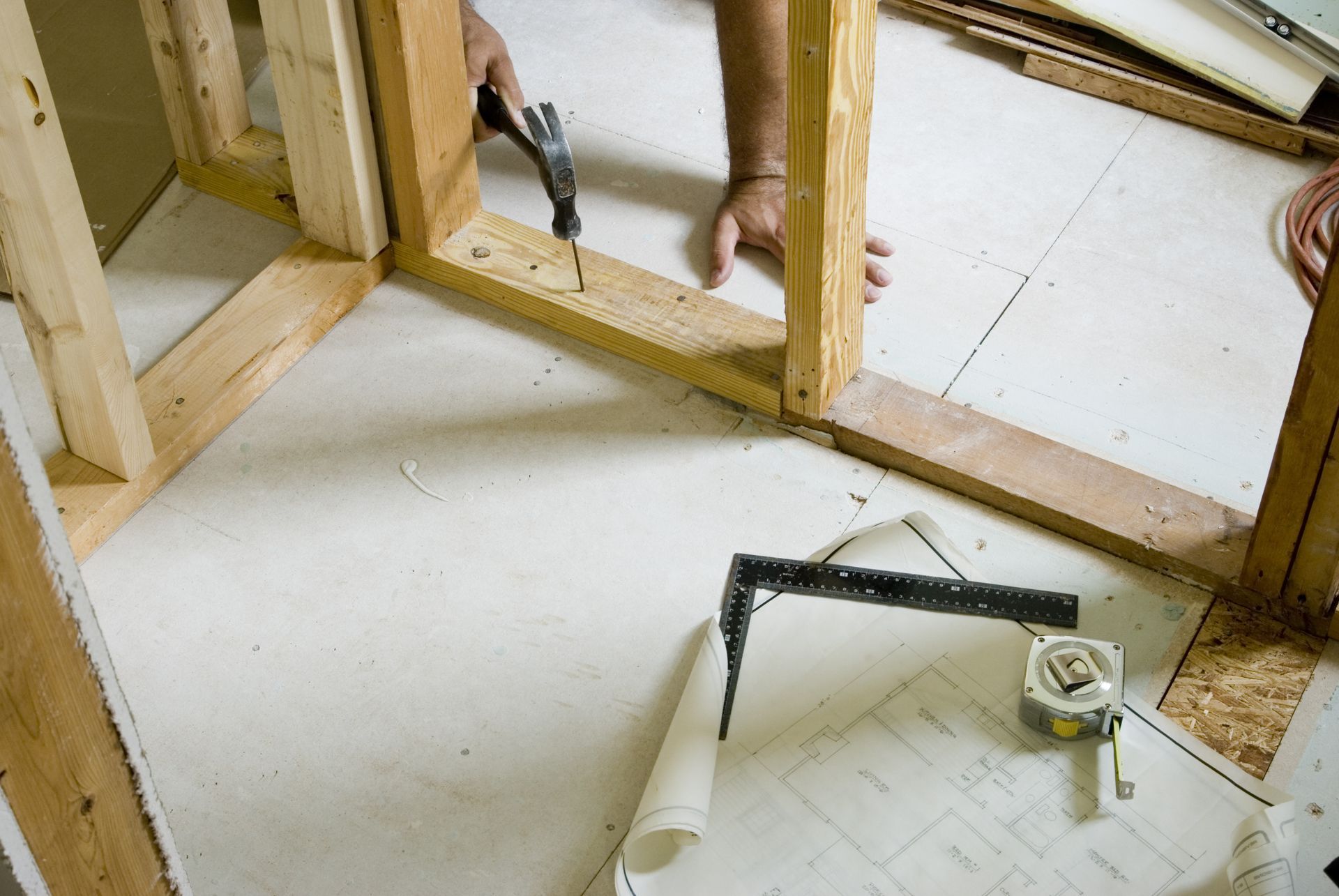
What Goes Into Building an Addition
You start by identifying what rooms or functions are missing and where on the property an addition can be placed. ADS Builders & Company reviews site access, setback requirements, drainage patterns, and how the existing structure will connect to the new construction. Plans are drawn to show floor layout, roof tie-ins, window placement, and exterior finishes, and permits are submitted to confirm compliance with local codes and zoning rules before construction begins.
Once the addition is complete, you move through new rooms that feel part of the original home, with flooring that transitions smoothly, trim that matches existing profiles, and walls that are plumb and square. Doors open into hallways without crowding, windows bring in natural light, and climate control reaches the new space without overworking the HVAC system. The addition functions as intended, whether that is a quiet retreat, a functional workspace, or extra bedrooms that relieve crowding.
Timelines depend on the size of the addition, structural complexity, permit review, and weather conditions during construction. Foundation work and framing occur first, followed by roof tie-in, system rough-ins, insulation, drywall, and finish carpentry. Material lead times and scheduling inspections at each phase affect the overall schedule, and living in the home during construction is possible but requires tolerance for noise, dust, and restricted access to certain areas until the project is finished.
What You Should Know About Home Additions
Adding space to an existing home involves structural integration, permitting, and coordination with systems already in place, and understanding these factors helps you plan an addition that fits your property and budget.
What determines whether you can build an addition on your property in Charlotte?
Zoning rules govern setbacks from property lines, maximum lot coverage, and building height limits. Site conditions such as slope, drainage, and easements also affect where an addition can be placed. Permitting reviews confirm that the design meets structural, fire, and energy codes before construction begins.
How do you match an addition to the existing home?
Exterior materials, roof pitch, window style, and trim details are selected to blend with the original structure. Foundation type and framing methods are chosen to connect securely to existing walls and floors, and interior finishes such as flooring, paint, and molding are coordinated to create visual continuity.
When is a second-story addition better than expanding outward?
A second-story addition works well on smaller lots where yard space is limited or setbacks prevent ground-level expansion. It requires structural evaluation and often reinforcement of existing walls and foundation to support the added weight. Ground-level additions are simpler to build, require less structural work, and avoid the complexity of roof removal and tie-in.
Why does HVAC capacity matter when adding square footage?
Adding rooms increases the load on heating and cooling systems, and existing equipment may not have capacity to serve the new space effectively. Ductwork must be extended, and in some cases, a separate zone or upgraded system is needed to maintain comfort throughout the home.
What should you plan for if living in the home during construction?
Exterior additions create noise, dust, and temporary loss of yard access. Interior connections require cutting through existing walls, which exposes rooms to weather until the opening is framed and enclosed. Setting expectations for daily disruption and planning around construction schedules reduces stress during the project.
ADS Builders & Company coordinates home additions from design through final inspection, ensuring that new space integrates with your existing structure and serves your household's needs. If you are ready to expand your Charlotte home, start the conversation about where and how additional space can be added to your property.