
Turn Unused Space Into Functional Rooms
Basement & Attic Finishing in Charlotte for homeowners whose current floor plan no longer fits how they use their home
ADS Builders & Company finishes basements and attics in Charlotte for homeowners who need more usable square footage without adding onto their home's footprint. You may have a basement that currently holds storage boxes and mechanical equipment, or an attic with exposed insulation and plywood flooring that could become a bedroom or office. Finishing these spaces converts them into conditioned, livable areas that feel like intentional parts of your home rather than afterthoughts.
The work involves framing walls, installing insulation, running electrical circuits, adding HVAC distribution, and finishing surfaces with drywall, flooring, and trim. Basement projects often require moisture management, including vapor barriers and proper drainage around foundation walls. Attic projects depend on adequate ceiling height, structural support for floor loads, and access to existing HVAC systems. Both types of projects are designed to integrate seamlessly with your existing layout so the new space feels like it was always part of the home.
If your home feels too small but moving is not an option, a finished basement or attic may provide the room you need without the cost or disruption of a full addition.
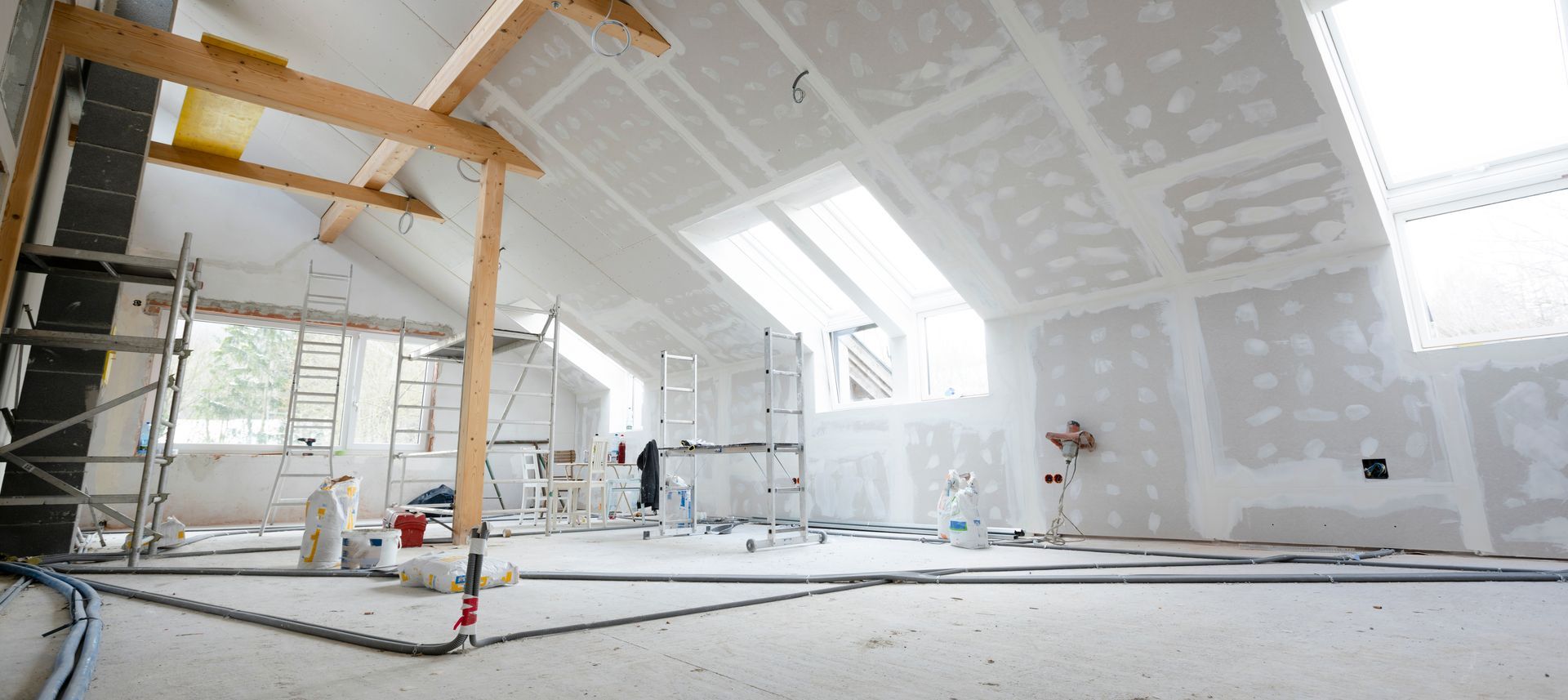
Building Comfort and Function Into Existing Structure
Each project begins with an assessment of the space, including ceiling height, foundation condition, insulation needs, and access points. You may need to add egress windows in a basement bedroom to meet code, or install pull-down stairs in an attic to replace a hatch. ADS Builders & Company addresses these structural and safety requirements early so the build process proceeds without surprises.
When the project is finished, you will notice conditioned air reaching the new space, walls that are smooth and primed, and flooring that matches your functional needs. A basement finished as a recreation room may include laminate flooring and recessed lighting, while an attic converted into a guest bedroom will have carpet, a closet, and a dedicated circuit for window units or a mini-split system. ADS Builders & Company ensures that the finishes and layout reflect how you plan to use the space, not just what fits within the budget.
The process includes permitting, demolition of any existing unfinished framing, installation of moisture barriers or insulation upgrades, rough-in for plumbing or electrical, drywall finishing, and final trim work. You will be consulted on fixture placement, door swings, and lighting layouts before walls are closed. Projects are managed to minimize disruption to occupied areas of the home, and debris is removed daily.
Common Questions About Finishing Basements and Attics
Homeowners in Charlotte often ask about moisture control, code requirements, and how the new space will be heated or cooled. These are the most frequent concerns.
What is required to make a basement bedroom meet building code?
The room must have an egress window with a minimum opening size, a window well if below grade, and proper ceiling height, along with smoke and carbon monoxide detectors on the level.
How is moisture controlled in a finished basement?
Moisture control includes exterior grading, sump pump installation if needed, vapor barriers on foundation walls, and selecting materials like mold-resistant drywall and sheet vinyl or tile flooring.
Can an attic support the weight of furniture and occupants?
If the attic was built only to support ceiling loads, floor joists may need reinforcement or replacement to handle live loads, which is determined during the initial structural assessment.
How is the new space heated and cooled?
Basements are often served by extending existing ductwork from the main HVAC system, while attics may require a separate mini-split unit or additional zones depending on existing capacity.
To discuss your basement or attic project, contact ADS Builders & Company and schedule a walkthrough to review layout options, structural needs, and the steps required to bring the space up to finished, livable condition.